

Annotation guides help high school students engage with texts by marking key ideas, questions, and connections. Through guided practice, students learn to highlight, note, and reflect, fostering deeper comprehension and critical thinking skills essential for academic success. Empowering students’ learning.

Purpose and Benefits
Annotation guides empower high school students to actively interact with texts, marking key ideas, questions, and connections. By highlighting, noting, and reflecting, learners build deeper comprehension, critical thinking, and the ability to synthesize information across subjects. and growth for success!!
Critical Thinking Enhancement
Annotation practices invite students to interrogate meaning, question assumptions, and evaluate evidence. By marking text with probing questions, students learn to assess reliability, identify bias, and consider alternative viewpoints. This active engagement transforms passive reading into a dialogue that sharpens analytical skills and encourages deeper reflection on the author’s intent and the text’s broader context.
Guided annotation prompts, such as “What evidence supports this claim?” or “How does this idea connect to prior knowledge?” encourage learners to synthesize information and construct coherent arguments. Teachers can model these strategies, demonstrating how to trace logical flow and detect fallacies, thereby scaffolding higher‑order thinking. By integrating reflective questions, students learn to justify their choices and anticipate counterarguments, strengthening their argumentative competence.
Consistent annotation practice also nurtures metacognitive skills. As students review their own notes, they assess whether their questions were relevant, whether their interpretations aligned with textual evidence, and how their understanding evolved. This self‑assessment loop promotes a growth mindset, encouraging students to revisit challenging passages, refine their analytical lenses, and ultimately produce richer, more nuanced essays that reflect a sophisticated grasp of complex ideas. By integrating these annotation strategies across literature, history, and science texts, students develop a versatile toolkit that supports critical inquiry and lifelong learning.!!

Reading Comprehension Improvement

Annotation transforms a silent reading experience into an interactive exploration that deepens comprehension. By marking key terms, summarizing paragraphs, and noting questions, students actively map the structure of a text. This process encourages them to identify main ideas, detect supporting details, and recognize transitions, which are critical for understanding complex arguments. Teachers can introduce a tiered annotation system: first, highlight essential facts; second, write brief summaries; third, pose reflective questions. This scaffolding helps students move from surface-level reading to analytical engagement. Digital tools such as Jotit or paper sticky notes allow for flexible placement of comments, making it easier to revisit and revise interpretations. When students annotate, they create a personal roadmap that they can follow during revision or test preparation. The act of writing in the margin forces them to rephrase content in their own words, reinforcing memory retention. Additionally, collaborative annotation sessions foster peer discussion, where students compare insights and clarify misunderstandings. This collective dialogue exposes learners to diverse perspectives, sharpening their ability to interpret ambiguous passages. Consistent annotation practice also builds metacognitive awareness; students learn to monitor their understanding, recognize gaps, and adjust strategies accordingly. By integrating annotation into reading, students build a habit of engagement, comprehension scores strengthening critical analysis skills !


Annotation Techniques
Students use margin notes, highlights, sticky notes, and digital tools to mark key ideas, questions, and connections. Structured symbols help track themes, while annotation fosters discussion and deeper understanding of texts. Teachers emphasize linking notes to main ideas.!
Margin Notes and Highlights
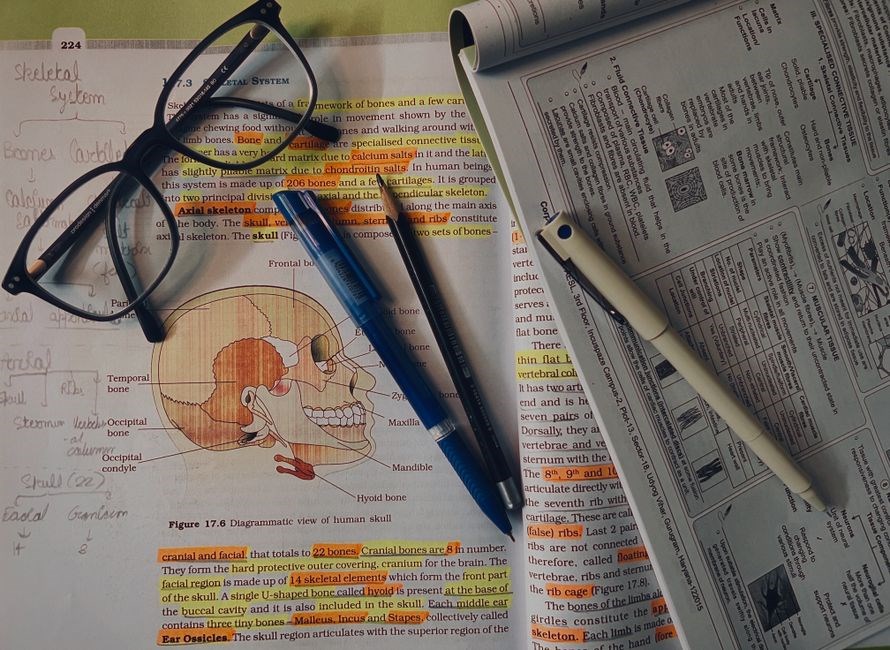
Margin notes and highlights serve as the foundational tools for high‑school annotation. By circling key terms, underlining pivotal phrases, and jotting brief comments in the margins, students create a live dialogue with the text. This process encourages active reading, prompting learners to pause, question, and connect ideas. Educators often model the technique by annotating a short passage aloud, demonstrating how to distinguish between literal meaning and deeper inference. Students then practice independently, using a color‑coded system—yellow for main ideas, pink for questions, blue for connections—to organize their insights. The practice of marking text in situ helps students track narrative arcs, identify recurring motifs, and note authorial intent. Over time, these annotations become a personal map that guides review sessions, class discussions, and essay planning, reinforcing comprehension and critical analysis. Teachers encourage students to use abbreviations and symbols—such as arrows for connections, question marks for uncertainties, and stars for significant points—to streamline annotations. By consistently applying these conventions, learners develop a systematic approach that speeds up reading and deepens retention. Moreover, reviewing annotated pages before exams transforms passive reading into an active study habit, allowing students to revisit key arguments and evidence quickly. Finally, summarizing annotations in a reflection sheet helps students articulate their insights and assess how well they understood the material. This builds skill quickly now
Sticky Notes and Digital Tools
Sticky notes and digital annotation platforms give high‑school students a flexible, collaborative way to engage with texts. Teachers can assign a short article, then have students drop virtual sticky notes—using colors, icons, or emojis—to flag surprising facts, unanswered questions, or personal reactions. Digital tools such as Google Docs, OneNote, Kami, and Hypothesis allow annotations to be stored, shared, and searched, turning individual insights into a class‑wide conversation. Students learn to differentiate between surface‑level highlights and deeper analytical comments by using distinct formatting: bold for key terms, italics for paraphrases, and brackets for critical questions. The immediacy of digital tools also supports real‑time feedback; instructors can comment on a student’s sticky note, ask follow‑up questions, or provide a brief explanation, all within the same document. When students review their notes later, they can filter by color or keyword, making it easier to locate themes for essays or projects. Additionally, many platforms support multimedia annotations—embedding images, audio clips, or short videos—enabling creative expression and multimodal learning. Teachers should model best practices by annotating a sample text together, demonstrating how to link a sticky note to a specific paragraph, and explaining the rationale behind each annotation. By integrating sticky notes and digital tools into routine reading, students develop a habit of active engagement that translates into improved comprehension, critical thinking, and collaborative learning.
Symbolic Annotation Systems

High‑school annotation can be enriched by symbolic systems that assign meaning to marks beyond simple highlighting. Teachers introduce a set of icons—such as arrows for cause‑effect, question marks for uncertainty, exclamation points for emphasis, and lightbulb symbols for new ideas—so students can quickly encode relationships and insights. These symbols become a shared language that speeds up reading and discussion. In practice, a student might place a question mark beside a paragraph that introduces a new concept, then later connect it with an arrow to a later passage that clarifies the concept. The process encourages students to map connections, track argument structure, and identify gaps in logic. Symbolic annotation also supports differentiation: advanced learners can add more nuanced symbols, such as a double‑arrow to indicate a reciprocal relationship, while beginners focus on the core set. Digital platforms like Hypothesis allow students to create custom glyphs, embed hyperlinks, and tag annotations with metadata, making collaborative analysis more dynamic. Teachers can assess the use of symbols by reviewing students’ annotated PDFs, looking for consistency, accuracy, and depth of insight. When students revisit their notes, the symbolic system serves as a visual roadmap, helping them recall the flow of ideas and prepare for essays or exams. By integrating symbolic annotation into the curriculum, educators foster metacognitive skills, promote active reading, and create a vibrant, shared classroom dialogue.

Teaching Strategies
Use guided modeling, then independent practice. Provide clear annotation rubrics, give feedback, and encourage reflection. Digital tools like Jotit or Hypothesis support collaborative marking. Scaffold lessons to build confidence and critical thinking. Students review notes in groups

Modeling and Guided Practice
Begin by selecting a short passage that illustrates key annotation techniques. The teacher first reads aloud, pausing to demonstrate how to highlight main ideas, underline unfamiliar terms, and write margin notes that pose questions or offer personal connections. Students observe the process, noting the purpose of each mark. Next, the teacher models a collaborative annotation using a shared digital platform, such as Hypothesis or a Google Doc, where multiple students can comment simultaneously. This live example shows how annotations can build a conversation around the text, encouraging deeper analysis. After the demonstration, students work pairs to annotate a new excerpt, following a step‑by‑step rubric that includes criteria for relevance, clarity, and critical insight. The teacher circulates, offering targeted feedback and prompting students to explain their choices. Finally, the class reconvenes to discuss common themes, unexpected insights, and areas needing clarification. This cycle of modeling, guided practice, and reflective discussion reinforces annotation skills and promotes a culture of active reading. During guided practice, the teacher may use a think‑aloud strategy, explaining how to question the author’s intent and identify rhetorical devices. Students then annotate a second passage, applying the same rubric, and peer‑review each other’s notes in small groups. The teacher circulates, noting common misconceptions and highlighting exemplary annotations that demonstrate synthesis of ideas. Students note annotations help!!!. Teachers encourage revisiting annotations.
Independent Practice and Feedback
After guided sessions, students receive a standalone text to annotate independently, applying the techniques practiced. They work in silence, marking key arguments, noting questions, and summarizing sections in the margins. The teacher provides a rubric that emphasizes depth, relevance, and critical reflection. Students submit their annotated copies electronically or on paper. The teacher reviews each set, offering individualized feedback that highlights strengths, such as insightful connections, and suggests areas for improvement, like clarifying ambiguous annotations. Peer review is incorporated by having students exchange annotations and comment on each other’s notes, fostering collaborative learning. A reflective journal entry follows, where students assess their own annotation process, identify challenges, and set goals for future texts. This cycle of independent work, targeted feedback, and reflection solidifies annotation skills and encourages autonomous, critical engagement with reading materials.
Students then revisit their annotations, comparing notes with peers to identify patterns. They discuss how annotation styles reveal varied interpretations, they reflect on how this practice strengthens critical reading habits. During this process, students analyze how annotation placement can influence understanding, noting that emphasis often clarifies complex themes. This insight!
Finally, students compile a portfolio of their best annotations, showcasing growth over semester.!
Assessment and Reflection
Students evaluate annotation quality using rubrics that measure insight, clarity, and depth. They reflect on how notes reveal understanding, adjust strategies, and set goals for future texts. This cycle promotes metacognition and sustained engagement. Students note!!
Rubrics for Annotation Quality
A robust rubric for high‑school annotation evaluates clarity, depth, and engagement. It typically contains three core criteria: 1) Content relevance—does the note capture key ideas, themes or evidence? 2) Analytical insight—does the student connect ideas, ask probing questions, or offer interpretations? 3) Reflective integration—does the annotation link the text to prior knowledge, personal experience, or broader contexts? Each criterion is scored on a 4‑point scale (1 = Poor, 4 = Excellent). Teachers can add descriptors: “Identifies main idea” versus “Synthesizes multiple sources.” The rubric should be shared with students before the first annotation task so they understand expectations. After each assignment, students receive written comments and can revise their notes, fostering a cycle of self‑assessment and growth. Incorporating peer review, where classmates rate each other’s annotations using the same rubric, encourages collaborative learning and critical dialogue. Finally, the rubric can be adapted for digital tools—students annotate PDFs or online articles, and the rubric remains the same, ensuring consistency across formats.
For classroom implementation, teachers can use the rubric during formative assessment, marking each annotation as it is produced. This real‑time feedback helps students adjust strategies immediately. Summative assessment can involve a portfolio of annotations, where the rubric guides the final grade. Professional development sessions can train teachers to calibrate scoring, ensuring inter‑rater reliability. When students see consistent standards, they internalize the value of thoughtful annotation, turning passive reading into an active, reflective practice that supports higher‑order thinking across all subjects. Students can also self‑score using the rubric, promoting metacognition.