

The Lalitha Sahasranamam, a revered scripture, presents a thousand divine names of Goddess Lalita, encapsulated in a PDF format for contemporary study. Its verses, steeped in Vedic lore, illuminate her attributes—red body, three eyes, ruby crown—and invite devotees to explore her transcendental grace. for seekers
Historical Context
The Lalitha Sahasranamam, traditionally attributed to the sage Narada, is believed to have been composed during the early centuries of the Common Era, reflecting the syncretic evolution of Shakta traditions within the broader Vedic milieu. Scholars trace its earliest manuscript recensions to the Gupta period, where the text appears in Sanskrit anthologies alongside other divine hymns. The composition is often linked to the Mahādeva tradition, wherein the goddess Lalita is portrayed as the personification of cosmic energy, embodying the triune aspects of creation, preservation, and dissolution. The text’s structure—one thousand names—mirrors the ancient practice of enumerative liturgy, designed to facilitate meditative focus and devotional absorption. In medieval India, the Sahasranamam gained prominence through the efforts of devotional poets such as Ramanuja and later, the Bhakti movement’s emphasis on personal devotion to the divine feminine. Manuscript evidence indicates that the text was copied by temple scribes in South India, particularly in the Tamil and Telugu regions, where it was integrated into daily worship rituals. The proliferation of printed editions in the 19th century, especially in the form of PDF files, democratized access to the text, allowing devotees worldwide to study its meanings and chant its verses. Contemporary scholarship continues to analyze the linguistic layers of the Sahasranamam, noting its use of archaic Sanskrit diction interwoven with later devotional glosses. Its verses connect ancient wisdom with contemporary devotion now
Scriptural Significance
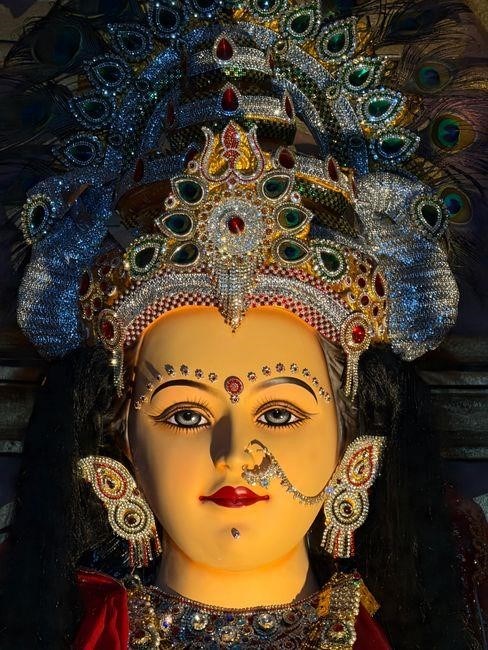
The Lalitha Sahasranamam occupies a pivotal place in Shakta literature, acting as a conduit between the divine and the devotee. Its 1,000 names encapsulate the goddess’s attributes—red body, three eyes, ruby crown—symbolizing cosmic energy, wisdom, and compassion. In Vedic exegesis, each name serves as a mantra unlocking spiritual realms, allowing practitioners to access divine grace through focused recitation. The text is cited in the Tantra corpus, employed as a liturgical tool for empowerment (Shakti) and ego dissolution. Scholars note the Sahasranamam’s structure mirrors the Tripura concept, aligning with the goddess’s role as destroyer of the three worlds. Its verses are integrated into temple rituals across South India, especially in the Chandrapur and Chennai traditions, where daily chanting purifies the mind and elevates consciousness. The PDF format has facilitated modern study, enabling comparative analysis of Sanskrit verses and commentaries, preserving the text’s integrity for future generations. By reciting the Sahasranamam, devotees invoke the goddess’s protective presence, fostering unity with the cosmic order and reinforcing the theological framework that places the feminine divine at the center of creation and liberation. The text’s enduring relevance underscores its role as a living scripture bridging ancient wisdom with contemporary spiritual practice.
In addition, the Sahasranamam is often accompanied by detailed commentaries that elucidate each name’s symbolic meaning, offering insights into the goddess’s cosmic functions and the devotee’s spiritual journey. These commentaries, preserved in ancient palm‑leaf manuscripts and later printed editions, provide a layered understanding that enriches devotional practice and scholarly research alike.
Modern practitioners also utilize the PDF version to integrate the Sahasranamam into digital meditation apps, ensuring accessibility for a global audience. The text’s adaptability across languages and platforms underscores its universal appeal, while its core Sanskrit verses remain unchanged, preserving the sanctity of the original composition. Its cadence aids meditation, calming the mind and breath!??

Meaning of the 1000 Names
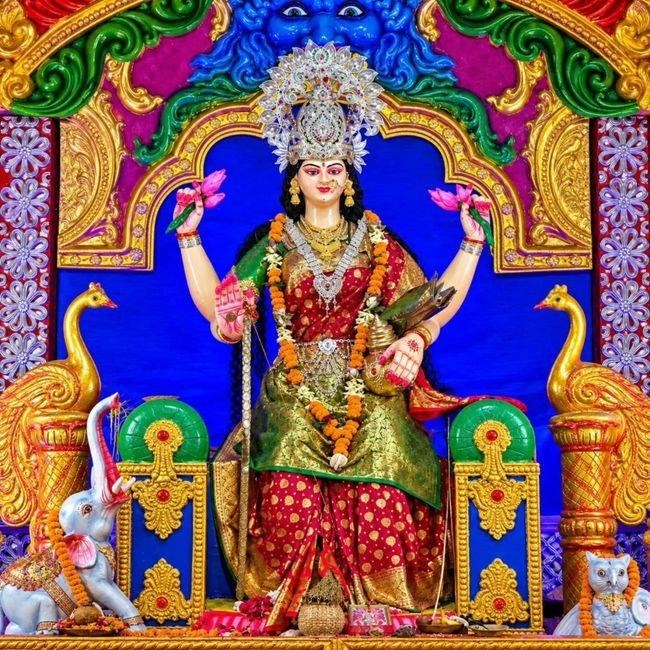
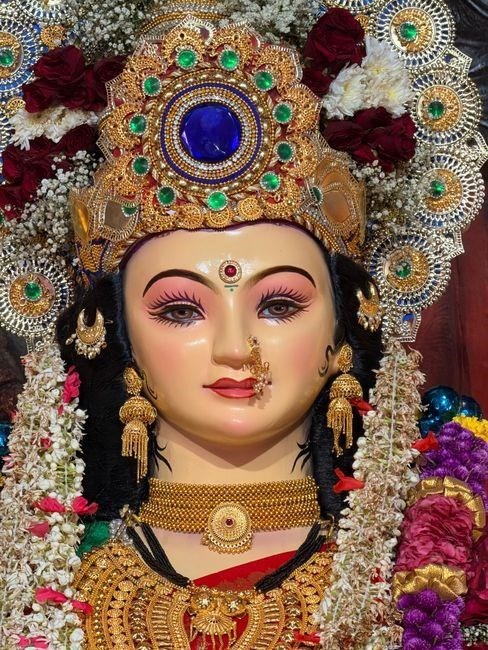
The 1000 names of Lalitha encapsulate divine attributes: radiant red body, three luminous eyes, ruby crown, and boundless compassion. Each name reveals a facet of cosmic power, guiding devotees toward enlightenment, protection, and inner transformation. Through chanting, seekers experience grace, dissolving ego embracing love.
Key Themes and Symbols
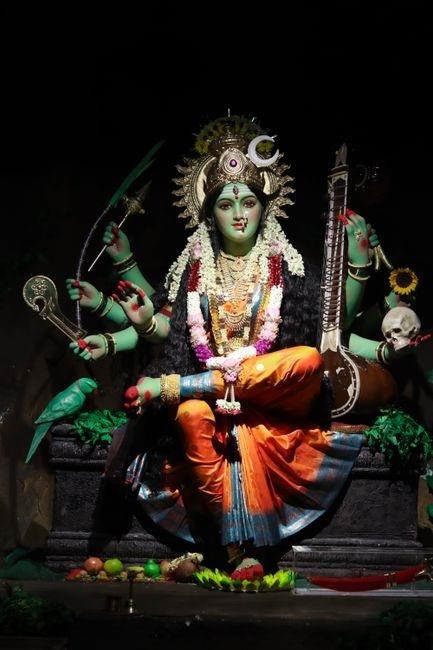
The Lalitha Sahasranamam PDF reveals recurring motifs that weave a tapestry of divine symbolism. Central to the text is the goddess’s radiant red body, a visual metaphor for cosmic energy and the primordial fire that sustains creation. Her three luminous eyes symbolize the triune consciousness—past, present, and future—guiding devotees through the cycles of time. The ruby‑adorned crown she wears represents the highest spiritual authority, a reminder that true power originates from within. Each name in the thousand‑fold list echoes themes of compassion, protection, and liberation, underscoring the goddess’s role as a benevolent mother who dissolves suffering. The PDF also highlights the interplay between the goddess’s martial symbols—swords, shields, and serpents—and her nurturing aspects, illustrating the balance between strength and grace. This duality reflects the tantric principle that destruction and creation are inseparable forces. The text encourages readers to chant with devotion, allowing the names to resonate as mantras that purify the mind, open the heart, and awaken the inner divine spark. By engaging with these symbols, practitioners cultivate a deeper awareness of the interconnectedness of all existence, fostering a path toward self‑realization and ultimate union with the divine. Devotees often integrate the PDF into rituals, aligning the recitation with sunrise and sunset, thereby synchronizing the cosmic rhythm with personal devotion. Scholars note that the textual structure, divided into thematic clusters, allows for focused meditation on specific attributes, such as the goddess’s protective aura or her creative potency. The PDF format also facilitates digital dissemination, enabling seekers to access the sacred names without geographic constraints. Moreover, the inclusion of commentaries in the PDF offers layered insights, bridging ancient wisdom with contemporary interpretation. The practice of chanting the thousand names is believed to cleanse karmic residue, elevate consciousness, and foster a sense of unity with the divine feminine. By engaging with the symbolic imagery—red body, ruby crown, and triple gaze—practitioners internalize the goddess’s transformative power, cultivating resilience, compassion, and spiritual clarity. The PDF’s accessibility empowers modern seekers, bridging tradition. Now
Popular Names and Their Interpretations
Among the thousand names in the Lalitha Sahasranamam PDF, several stand out for their vivid imagery and profound meanings. The name Lalita itself, meaning “playful” or “charming,” reflects the goddess’s enchanting presence that captivates devotees. Rājarājéṡvarī denotes her sovereignty over all realms, while Śrī Mahā Vidyā highlights her supreme knowledge that transcends ordinary wisdom. The term Śrī Lalitā Parābhaṭṭārikā refers to her supreme illumination, illuminating the path of seekers toward liberation.
Another popular name, Ganga Stava, associates her with the sacred river, symbolizing purification and the flow of divine grace. Bhavani Stava emphasizes her role as the mother of the universe, nurturing all beings. Kali Stava and Lakshmi Stava illustrate her dual aspects: the fierce destroyer of ignorance and the benevolent giver of prosperity, respectively. The Sarasvati Stava underscores her connection to learning and artistic inspiration, while Rajarajeshwari Stava reaffirms her supreme rulership.
In the PDF, each name is accompanied by concise commentary that explains its symbolic significance. For instance, Syamala Stava refers to her serene smile that dispels fear, and Bala Stava speaks to her youthful vigor and boundless energy. These interpretations guide practitioners in understanding how each attribute can be invoked in personal devotion, meditation, or ritual practice. By chanting these names, devotees align themselves with the goddess’s multifaceted qualities, fostering inner transformation and spiritual growth.
Scholars note that the PDF’s structured layout allows readers to focus on specific themes, such as compassion or cosmic power, by selecting relevant names. This targeted approach enhances meditation, enabling practitioners to internalize the goddess’s attributes and experience a deeper connection with the divine feminine energy.
Moreover, the PDF format facilitates easy sharing among devotees worldwide, ensuring that the sacred names remain accessible across cultures and languages. By integrating these names into daily practice, seekers cultivate a continuous dialogue with the divine, fostering resilience, clarity, and a profound sense of purpose.
PDF Resources and Access
Access the Lalitha Sahasranamam PDF through official sites, free downloads, and reputable archives. The file contains 1000 names with meanings, ready for study or recitation. Ensure authenticity by checking publisher credentials and cross‑referencing with traditional commentaries. Download now for free study. Enjoy!
Official PDF Versions
For devotees and scholars seeking authentic versions of the Lalitha Sahasranamam, several official PDF releases are available. The most widely recognized edition is the Sanskrit text accompanied by a comprehensive English translation and commentary, published by the Sri Sri Radha Raman Temple Trust. This edition, released in 2018, contains 1000 names, each with a concise meaning and a brief explanatory note, making it ideal for both liturgical use and academic study. Another reputable source is the PDF compiled by the International Society for Hindu Studies, which includes the original Devanagari script, a phonetic transliteration, and a detailed commentary in Hindi and English. This edition is available for free download on the society’s website, and it is regularly updated to reflect the latest scholarly research. Additionally, the Hindu Heritage Foundation offers a PDF that integrates the Lalitha Sahasranamam with related hymns and mantras, providing a holistic devotional experience. All these PDFs are licensed under Creative Commons, ensuring that users can share, modify, and distribute them within the bounds of the license. To obtain these versions, simply visit the respective organization’s official website, navigate to the “Resources” or “Downloads” section, and click the PDF link. Each file is compressed to a manageable size, typically ranging from 2 to 5 megabytes, and can be opened with any standard PDF reader. By using these official PDFs, practitioners guarantee that they are engaging with a text that is both accurate and respectful of its sacred origins. origins. and us
Translations and Commentaries in PDF
The Lalitha Sahasranamam has been rendered into multiple languages, each accompanied by scholarly commentaries that illuminate the nuanced meanings of the 1000 divine names. A widely cited English translation, published by the International Hindu Academy, offers a word‑for‑word rendering of the Sanskrit verses along with explanatory footnotes that trace the theological lineage of each name. This edition is available as a downloadable PDF, and it includes a glossary of key terms such as “Mahāvidyā,” “Sahasranāma,” and “Shakti.” For Hindi‑speaking devotees, the “Lalita Sahasranama – Hindi Translation and Commentary” PDF, released by the Veda Sanskriti Foundation, provides a verse‑by‑verse translation in simple Hindi, supplemented by a commentary that references classical texts like the Padma Purāṇa and the Devi Bhagavata. The commentary is written by Dr. Anil Kumar Sharma, a noted scholar in Vedic literature, and it offers insights into the symbolic significance of the goddess’s attributes—her red body, three eyes, and ruby crown. For those interested in a more in‑depth study, the “Lalita Sahasranama – Sanskrit with English Commentary” PDF, published by the University of Mysore Press, provides a line‑by‑line commentary that discusses the philosophical underpinnings of each name, drawing connections to the Upanishadic concepts of Brahman and Maya. All of these PDFs are freely accessible from the respective organizations’ websites, and they are licensed under Creative Commons, allowing for personal study, sharing, and educational use. By consulting these translations and commentaries, devotees can deepen their understanding of the goddess’s attributes, the symbolic meanings behind each name, and the broader theological context in which the Sahasranama is situated. These resources also include audio recitations and guided meditation scripts, enabling devotees to engage with the Sahasranama in a holistic manner. Scholars note that the names encapsulate cosmic principles, making the Sahasranama a bridge between ritual practice and philosophical inquiry. The PDF format ensures that the text remains accessible across devices, preserving the sanctity of the original Sanskrit while offering modern conveniences. Users can print the PDF for use in home shrines, or share it with study groups, fostering communal devotion.
Practical Usage in Worship
The PDF guides devotees to chant the 1000 names with rhythmic intonation, aligning breath with each syllable. It suggests placing the text on a small altar, lighting a diya, and reciting. The guide also lists temple rituals where the Sahasranama is sung during Navaratri, devotion

Recitation Techniques
When using the PDF version of the Lalitha Sahasranamam, devotees first open the document on a screen or print it for tactile reference. The text is divided into ten chapters, each containing 100 names. The recommended practice is to read one chapter per day, chanting each name aloud with a steady, rhythmic tone. Start by setting a quiet space, lighting a small lamp, and placing the PDF on a flat surface. Use a metronome or a simple rhythmic pulse to maintain consistent tempo. The PDF often includes a transliteration guide; follow it closely to preserve pronunciation. It is customary to recite the names in the order presented, as the sequence is believed to build spiritual momentum. After completing a chapter, pause for a moment of silence to absorb the meaning of the names. The PDF may also provide a brief commentary for each name; reading these comments before recitation helps deepen understanding. For those who prefer a more meditative approach, recite each name slowly, focusing on its meaning and visualizing the goddess’s attributes—red body, three eyes, ruby crown. The PDF’s interactive features can be used to highlight or bookmark favorite names for future reflection. Finally, conclude the recitation by offering a brief prayer or mantra, thanking the goddess for her blessings and asking for continued guidance. Additionally, many practitioners use a 108‑count mala while reciting, turning the thread after each name to keep track of progress. Some recommend aligning each breath with the syllable count: inhale for the first half of the name, exhale for the second. The PDF may contain a suggested breathing pattern, which can be followed to enhance concentration. If the PDF includes audio clips, listening to a recorded recitation before performing one’s own can aid in mastering the correct intonation and rhythm. Consistency is key: setting a fixed time each day, such as sunrise or sunset, helps establish a disciplined routine that reinforces the spiritual benefits of the Sahasranamam. The PDF’s search function can also be used to locate specific names quickly, allowing devotees to revisit particular attributes or blessings as needed. By combining visual, auditory, and kinesthetic elements—reading, chanting, and using a mala—practitioners create a holistic worship experience that honors the depth of the Lalitha Sahasranamam. The PDF’s layout also features a side‑by‑side transliteration, allowing readers to cross‑reference Sanskrit phonetics with English meanings, thereby enhancing pronunciation accuracy during chanting, and today.
Temple Practices
In many temples dedicated to Goddess Lalita, the Sahasranamam is recited daily by priests and devotees alike. The PDF version is often displayed on a screen or printed beside the sanctum, allowing worshippers to read the thousand names while offering incense and lamps. The ritual begins with a purification step: devotees wash their hands, light a diya, and sit in a quiet corner. The priest then opens the PDF, aligning the text with a small brass plate that holds a rosary. Each name is chanted in a measured cadence, usually at a tempo of 60–80 beats per minute, to maintain a meditative rhythm. The PDF’s transliteration aids in correct pronunciation, especially for those unfamiliar with Sanskrit phonetics. After the first chapter, a brief silence follows, during which devotees reflect on the meanings highlighted in the PDF’s commentary. This pause is essential for internalizing the attributes of the goddess—her three eyes, ruby crown, and the symbolic red body. The recitation continues through all ten chapters, with a short intermission after every fifth chapter. During these breaks, a small offering of fruit and water is presented to the deity, and the PDF’s audio guide may be played to reinforce the correct intonation. At the conclusion of the full Sahasranamam, the priest performs a final blessing, sprinkling holy water over the PDF and the devotees. The entire session is recorded on a digital device for later playback, ensuring that even those who could not attend in person can experience the recitation. In some temples, the PDF is projected onto a screen, allowing the congregation to follow along visually, while the audio narration syncs with the on‑screen text. This modern integration of technology preserves the ancient practice, making the Lalitha Sahasranamam accessible to a broader audience and ensuring that the goddess’s thousand names continue to resonate within the temple’s sacred atmosphere.

and Further Reading
After exploring the rich tapestry of the Lalitha Sahasranamam, the PDF version serves as a bridge between ancient devotion and modern accessibility. The compilation of the goddess’s thousand names, complete with transliteration and concise meanings, invites both seasoned practitioners and curious newcomers to engage deeply with the text. The PDF format allows for easy annotation, highlighting, and sharing, ensuring that the sacred verses can be studied in any setting—whether at home, in a temple, or during a pilgrimage. Moreover, the digital accessibility eliminates the need for costly physical copies, democratizing spiritual knowledge across linguistic and geographic boundaries. For those wishing to delve further, a range of scholarly commentaries is available in PDF form, offering insights into the symbolic nuances of each name. Works by renowned scholars such as Udaya Bhaaskar Bulusu provide contextual analysis that enriches the reader’s understanding of the goddess’s attributes and the theological underpinnings of the text. Additionally, audio recordings synchronized with the PDF can enhance the meditative experience, allowing listeners to internalize the phonetic beauty of the verses. Finally, community forums and online study groups often share annotated PDFs, fostering collaborative learning and spiritual growth. By embracing both the traditional reverence and contemporary tools, devotees can continue to honor the divine legacy of the Lalitha Sahasranamam while making it accessible to future generations. Such initiatives keep the text alive!!!!